From Bland Aisles to Bold Pantries: How Indonesian Home Cooks in America Rebuilt Their Kitchens from Scratch
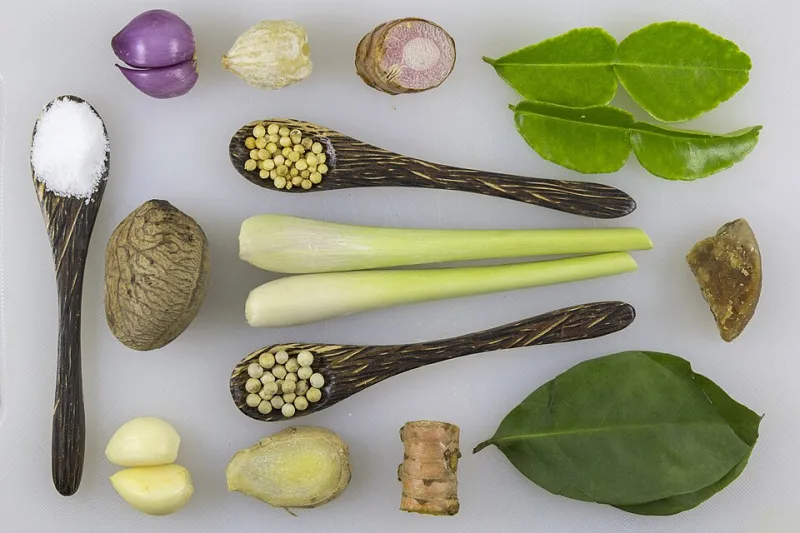
Photo: Herusutimbul, CC BY-SA 4.0, via Wikimedia Commons
Walk into any major American grocery chain and head straight for the spice aisle. You'll find rows of little glass jars, dusty bottles of generic "chili powder," and maybe — if you're lucky — a single lonely jar of something labeled "curry powder" that's been sitting on the shelf since the last presidential election. For most American shoppers, it's fine. Functional, even.
For Indonesian home cooks who've recently moved to the US, it's something closer to a quiet crisis.
"The first time I tried to make rendang in New Jersey, I stood in the grocery store for forty minutes," says Dewi Hartanto, who moved from Surabaya to the US in 2018. "I couldn't find fresh galangal. I couldn't find candlenuts. The lemongrass was dried and sad. I went home and cried a little, honestly."
Dewi's experience isn't unusual. Across the country — in suburban New Jersey, in the Pacific Northwest, in pockets of Houston and Atlanta — Indonesian immigrants are navigating a cooking landscape that simply wasn't built with their cuisine in mind. But here's the thing: a lot of them have figured it out. And the path they've carved is worth following.
The Great American Spice Aisle Reality Check
Indonesian cooking is one of the most spice-intensive cuisines on the planet. A single batch of bumbu — the foundational spice paste that anchors most Indonesian dishes — can require a dozen or more fresh and dried ingredients: shallots, garlic, galangal, turmeric, candlenuts, kencur (lesser galangal), shrimp paste, and a rotating cast depending on the region and the dish.
American supermarkets, even good ones, typically stock maybe two or three of those items on a reliable basis. The rest? Good luck.
The immediate reaction for most Indonesian home cooks is adaptation. Ginger stands in for galangal. Macadamia nuts or cashews approximate the creamy richness of candlenuts. Dried lemongrass gets used when fresh isn't available. These aren't terrible substitutes, but anyone who's grown up eating the real thing knows exactly what's missing.
"You can make it work," says Budi Santoso, a home cook in Seattle who moved from Bandung in 2015. "But it tastes like a memory of the food, not the food itself. There's a flatness to it that you just can't ignore once you know what it's supposed to taste like."
The Discovery Phase: Asian Grocery Stores and the Internet
For most Indonesian cooks in the US, the turning point comes when they discover that the American grocery store isn't actually the only option — it's just the most visible one.
Larger cities often have dedicated Indonesian or broader Southeast Asian grocery stores tucked into strip malls or ethnic food corridors. In Los Angeles, the San Gabriel Valley has long been a resource hub for Southeast Asian ingredients. Northern Virginia has a handful of Indonesian-owned shops that stock everything from kecap manis (sweet soy sauce) to fresh pandan leaves. Chicago's Chinatown and Albany Park neighborhoods carry surprising depth when it comes to Southeast Asian staples.
But for those not living near a major metro area, the real game-changer has been online sourcing. Specialty Indonesian food retailers — including a growing number of US-based importers — have made it possible to order authentic kemiri (candlenuts), salam leaves, dried kencur, and even fresh-frozen galangal and turmeric root with two-day shipping.
"Once I found a good online source, everything changed," Dewi says. "I started building my pantry properly. Now I have things I couldn't even find easily in Indonesia — some small-batch spice blends from Javanese producers that are incredible."
Building the Authentic Indonesian Pantry: What Actually Matters
For American home cooks curious about Indonesian cuisine — or for newcomers still figuring out their sourcing strategy — the question is: where do you actually start?
Experienced Indonesian home cooks in the US tend to organize their pantry priorities into two tiers.
The non-negotiables are the ingredients that simply can't be faked or skipped without fundamentally changing a dish:
- Fresh or frozen galangal — not ginger, not dried galangal powder if you can avoid it. Galangal has a piney, almost medicinal sharpness that ginger doesn't replicate.
- Shrimp paste (terasi) — the fermented, pungent backbone of countless Indonesian dishes. Look for the dried block-style version from Indonesian or Malaysian brands.
- Kecap manis — thick, sweet soy sauce. This is one item that's increasingly available in American grocery stores, but quality varies wildly. Indonesian-produced brands are worth seeking out.
- Candlenuts (kemiri) — these add a waxy, creamy texture to spice pastes. Macadamia nuts are the best substitute if you're in a pinch, but the real thing is worth ordering online.
- Salam leaves — Indonesia's answer to bay leaves, but with a more subtle, slightly floral quality. Dried versions are widely available from online specialty retailers.
The upgrades are the ingredients that elevate your cooking from approximation to authenticity:
- Fresh turmeric root — the flavor difference between fresh and powdered turmeric is significant, especially in dishes like jamu or opor ayam.
- Kencur (lesser galangal) — earthy and slightly camphor-like, it's essential for certain Balinese and Javanese dishes and genuinely irreplaceable.
- Torch ginger flower (kecombrang) — increasingly available frozen from specialty importers, this fragrant flower bud adds a complexity to dishes like nasi ulam that nothing else replicates.
The Shift in Mindset (and Why It Matters for Everyone)
What's interesting about watching Indonesian home cooks navigate the American food system is the mindset shift it produces. Many of them describe moving from passive grocery shoppers — grabbing what's convenient — to active, intentional pantry builders who think carefully about sourcing, quality, and provenance.
"In Indonesia, you go to the market and everything is fresh and right there," says Rina Kusuma, who now lives in Austin and runs a small Indonesian cooking class. "Here, you have to plan. You have to be more deliberate. But honestly? I think I'm a better cook now because of it. I understand my ingredients more deeply."
That's a lesson worth borrowing, regardless of your culinary background. The Indonesian approach to spice — treating each ingredient as irreplaceable, sourcing with intention, building a pantry that reflects genuine flavor rather than convenience — is something American home cooks of every background could stand to adopt.
The spice aisle at your local supermarket is a starting point, not a destination. The cooks who understand that tend to eat much better.
Where to Start Your Own Indonesian Pantry
If you're ready to move beyond the basics, here's a simple three-step approach:
- Find your nearest Asian grocery store — even a general pan-Asian store will carry many Indonesian staples. Look for Indonesian or Malaysian brands specifically.
- Identify one or two reliable online Indonesian specialty retailers — a small investment in candlenuts, salam leaves, and quality shrimp paste will immediately transform your cooking.
- Start with one dish and build outward — nasi goreng, rendang, or a simple bumbu base are great entry points. Master the ingredient list for one dish and you'll naturally accumulate a pantry over time.
The Indonesian cooks who've rebuilt their kitchens in America didn't do it overnight. But they did it — and the food they're making now is worth every extra step it took to get there.