Shrimp Paste, Tempeh, and the Umami Secrets Indonesian Cooks Have Always Known
Somewhere in the early 1990s, American food culture decided MSG was the villain. Chinese restaurant menus started printing "No MSG" in bold letters like a safety guarantee. Grocery store products bragged about being free of it. And somewhere in the middle of all that noise, a quiet truth got buried: umami — that deep, savory, mouth-coating flavor that makes food taste alive — was never MSG's exclusive territory.
Indonesian cooks knew this long before the word "umami" entered the American food vocabulary. They just called it good cooking.
The MSG Myth, Briefly Explained
Let's get the science out of the way. MSG — monosodium glutamate — is a sodium salt derived from glutamic acid, an amino acid that occurs naturally in dozens of foods. Tomatoes have it. Parmesan cheese is loaded with it. Soy sauce swims in it. And fermented shrimp paste, a cornerstone of Indonesian cooking, contains some of the highest concentrations of glutamates you'll find anywhere in a kitchen.
The "MSG sensitivity" scare traces back to a 1968 letter published in the New England Journal of Medicine — a single anecdotal report, not a clinical study — describing symptoms after eating at a Chinese restaurant. The term "Chinese Restaurant Syndrome" was coined, and the damage was done. Decades of follow-up research, including double-blind studies, found no consistent evidence that MSG causes the headaches, flushing, or nausea people claimed. The American Chemical Society, the FDA, and countless food scientists have repeatedly cleared it. Yet the stigma stuck.
What's interesting — and a little ironic — is that while American consumers were avoiding MSG, they were also pouring Worcestershire sauce on their steaks and sprinkling Parmesan on everything. Different name, same glutamate.
What Indonesian Pantries Were Doing All Along
Rita Kusuma, an Indonesian-American home cook based in the San Francisco Bay Area who moved to the US from Surabaya in her late twenties, laughs a little when she talks about this. "When I first got here, I saw people looking at ingredient labels for MSG like it was something dangerous. Meanwhile, I was cooking with terasi and everyone was asking me why my food tasted so much better than theirs."
Terasi — also spelled trassi — is fermented shrimp paste, and it is arguably the most powerful umami delivery system in the Indonesian pantry. Made from tiny shrimp that are salted, sun-dried, and fermented over weeks, it develops a concentrated, funky, intensely savory depth that transforms a dish the moment it hits a hot pan. A small amount — and you really don't need much — can elevate a simple sambal, a vegetable stir-fry, or a bowl of rice into something that tastes like it cooked for hours.
The glutamate content in terasi is substantial, but that's almost beside the point. The fermentation process creates a complexity that pure MSG simply can't replicate. You're not just getting savory; you're getting layers of it — briny, slightly sweet, deeply funky — all at once.
Then there's tempe (tempeh in the US). Fermented whole soybeans bound into a firm cake, tempeh is loaded with naturally occurring glutamates and has a nutty, mushroom-like earthiness that deepens considerably when it's fried or grilled. Indonesian cooks don't use tempeh as a meat substitute the way American plant-based cooking tends to frame it. They use it as a flavor anchor.
And kecap manis — Indonesia's thick, palm sugar-sweetened soy sauce — brings a different kind of umami: sweeter, stickier, with a caramelized quality that makes it irreplaceable in dishes like nasi goreng or beef rendang.
Why the Stigma Never Really Landed in Indonesian Kitchens
Andi Wijaya, who runs a small Indonesian catering operation out of his home kitchen in Houston, puts it plainly: "The MSG conversation was always a Western conversation. My mom cooked with terasi her whole life. Her mom cooked with terasi. Nobody was sitting around wondering if it was okay. It just tasted right."
This is a meaningful distinction. The vilification of MSG was largely a cultural phenomenon tied to xenophobia — specifically, anxiety about Chinese food and immigrant cooking — that never had strong scientific grounding. Indonesian-American cooks who grew up with fermented shrimp paste, fish sauce, and soy-based condiments as everyday pantry staples largely bypassed this particular food panic because their flavor-building tools existed outside the frame that Western food marketing was targeting.
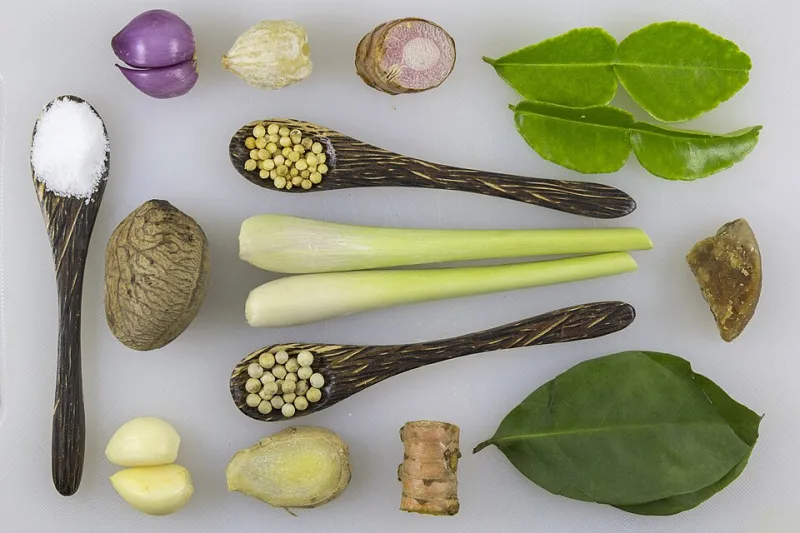
There's also something worth noting about how Indonesian cooking approaches umami holistically. It's rarely a single ingredient doing the heavy lifting. A pot of soto — Indonesia's aromatic broth-based soup — might layer shallots, galangal, lemongrass, candlenuts, and a small amount of terasi, each contributing something distinct. The result is a depth of flavor that feels almost architectural. No single component screams "savory." Together, they build something that just tastes deeply, satisfyingly complete.
Reclaiming the Conversation
There's a growing movement, especially among younger Indonesian-American food enthusiasts, to reframe how umami gets discussed in the US. Social media has helped. Accounts dedicated to Indonesian home cooking regularly show terasi being toasted in a dry pan, its sharp, pungent aroma filling a kitchen, and the comments are full of people who grew up with that exact smell describing it as the scent of home.
At the same time, fermented ingredients are having a broader cultural moment in American food. Kimchi is in every grocery store. Miso has gone mainstream. Nutritionists are talking about gut health and fermentation. This creates an opening for terasi, tauco (fermented soybean paste), and petis udang (a dark, concentrated shrimp paste used widely in East Javanese cooking) to enter American pantries through a different door — not as exotic curiosities, but as serious flavor tools with real culinary logic behind them.
Rita puts it well: "People are finally ready to understand that fermented things aren't scary. They're delicious. We've known that for a long time."
Where to Start
If you're new to building umami the Indonesian way, terasi is the place to begin. Look for it at Asian grocery stores or specialty Indonesian food retailers — it typically comes in a block or a paste and has a strong smell that mellows considerably once it's cooked. Start small: a pea-sized amount toasted briefly in a dry skillet or dissolved into a sauce adds a background depth that's hard to place but impossible to ignore.
From there, tempeh fried until golden and slightly crispy, kecap manis drizzled into a stir-fry, or a spoonful of tauco stirred into braised vegetables will each show you a different face of the same idea: that umami isn't a shortcut or a cheat. In Indonesian cooking, it's the whole point.