Spice Shopping Has a Calendar — Indonesian Cooks Know It by Heart
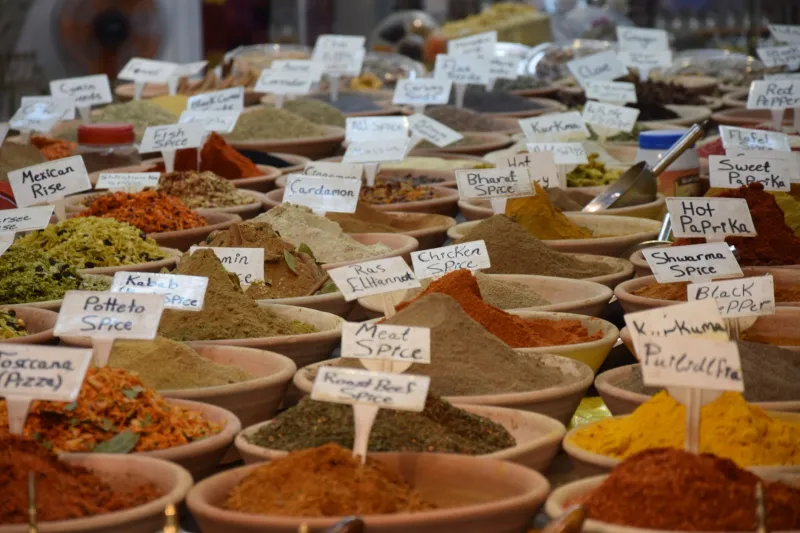
There's a kind of knowledge that doesn't come with a recipe. It doesn't live in a cookbook or a food blog post. It gets passed between cooks at markets, in home kitchens, in conversations about which vendor's cloves smell right this year and which ones don't. It's the knowledge of when — when to buy, when to wait, when the season has peaked and the quality is at its absolute best.
Indonesian cooks have been working with this knowledge for generations. And in America, where most of us have been trained to think of spices as shelf-stable pantry items with no particular moment of peak freshness, it's a completely different way of thinking about ingredients.
Why Spices Have Seasons at All
Indonesia is one of the most biodiverse agricultural regions on earth, and its spice crops are no exception. Cloves, nutmeg, black pepper, galangal, turmeric, ginger, lemongrass, kaffir lime — these aren't factory products. They're harvested crops, and like any crop, they have seasons. They have good years and difficult years. They have regional variations based on rainfall, elevation, and soil. And they have a freshness window that starts closing the moment they leave the ground.
Cloves, for instance, are harvested primarily in Maluku (the original Spice Islands) and North Sulawesi, with the main harvest running from roughly July through October depending on the year and the specific island. Fresh-harvest cloves have an almost overwhelming aromatic intensity — the eugenol compound that gives cloves their distinctive warmth and slight numbing quality is present in concentrations that are noticeably higher than in cloves that have been sitting in transit and storage for six months.
Nutmeg follows a similar pattern, with peak harvests in Maluku bringing both the nut and the mace (the red aril wrapped around it) to market in concentrated windows. Pepper — both black and white — from Lampung in southern Sumatra and from Bangka Island has its own harvest rhythm, typically peaking in the first half of the year.
None of this information appears on the jar of generic ground cloves at your grocery store. But it shapes everything about what you're actually getting.
What Smart Cooks Look For at Ethnic Markets
For Indonesian and Southeast Asian home cooks in the US, the ethnic grocery store is where this seasonal knowledge actually becomes useful. Stores that source directly from Indonesian or Malaysian importers — rather than buying from American spice distributors who've already homogenized the supply chain — tend to receive products that are closer to the harvest cycle.
Here's what experienced shoppers pay attention to:
Smell before you buy. This sounds obvious, but it's remarkable how many people buy packaged spices without checking whether the package actually smells like anything. Whole cloves should smell sharp and medicinal-warm when you open the bag. Galangal should have a pine-like, almost resinous edge. Fresh turmeric root should smell earthy and faintly bitter with a citrus undertone. If you're getting nothing — or a flat, stale ghost of a scent — it's old stock.
Watch the turnover at your local store. A market that moves through its inventory quickly is almost always selling fresher product than one where the same bags have been sitting on the shelf for months. Busy stores in neighborhoods with large Indonesian, Malaysian, or Filipino communities tend to have faster turnover and more reliable freshness.
Ask when shipments arrive. This sounds like more effort than it's worth, but regular customers at specialty markets often know which day of the week new stock hits the shelves. Showing up then means you're getting ingredients at their freshest point in the retail cycle.
Buy whole, not ground. Whenever possible, buy whole dried spices and grind them yourself. Whole cloves, whole coriander, whole cumin, whole cardamom — they hold their volatile aromatics far longer than pre-ground versions because the cell structure is still intact. A small electric spice grinder (or a dedicated coffee grinder) costs about twenty dollars and pays for itself in flavor within the first few uses.
The Fresh Rhizomes: A Seasonal Story Worth Following
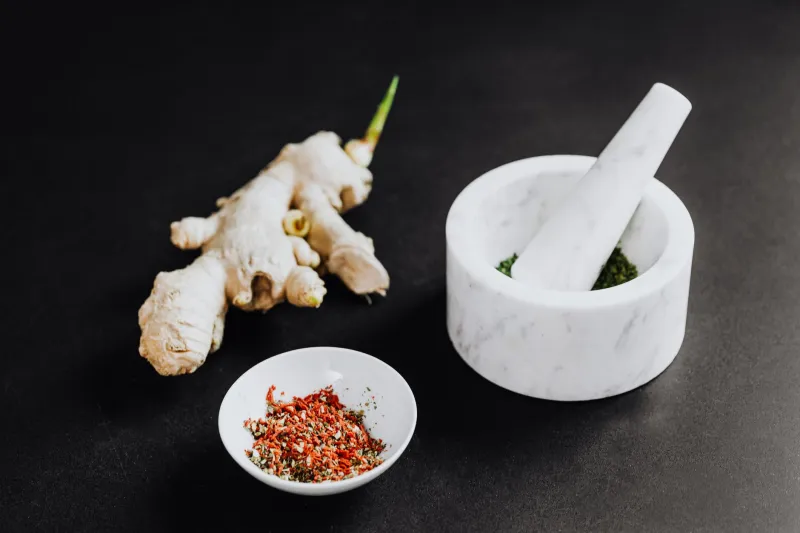
Ginger, galangal, turmeric, and kencur (aromatic ginger) are rhizomes — underground stems — and they have a distinct seasonal freshness that most American cooks completely miss. In the US, fresh galangal and turmeric are harder to find than fresh ginger, but they do appear at Asian markets, and there are moments in the year when they're noticeably better.
Fresh turmeric, in particular, has been showing up more consistently at Asian and Indian grocery stores in the US over the past few years, and the quality difference between fresh and dried is significant enough that it's worth seeking out when available. Fresh turmeric has a brighter, more vegetal bitterness that dried and powdered versions simply can't capture. When you see it at the market — usually in small knobby fingers with a vivid orange interior — buy more than you think you need. It freezes well and maintains most of its flavor.
Fresh galangal (often labeled laos or lengkuas at Indonesian-leaning markets) is the one that most dramatically illustrates the seasonal quality gap. When it's fresh and recently harvested, it has a sharp, almost medicinal pine note that's completely distinct from ginger. When it's old and dried out, it just tastes vaguely spicy and wooden. The difference in a bowl of soto or a plate of nasi goreng is not subtle.
Why Supermarket Spices Can't Play This Game
The American supermarket spice model is built around consistency and shelf life, which means it's fundamentally incompatible with seasonality. Spice brands blend from multiple sources and harvest years specifically to eliminate variation. The cloves you buy in January are supposed to taste the same as the cloves you buy in August. That's the promise.
But that consistency comes at a cost. You're never getting peak-season product. You're getting averaged-out, stabilized, shelf-optimized product that has been engineered to be inoffensive rather than exceptional.
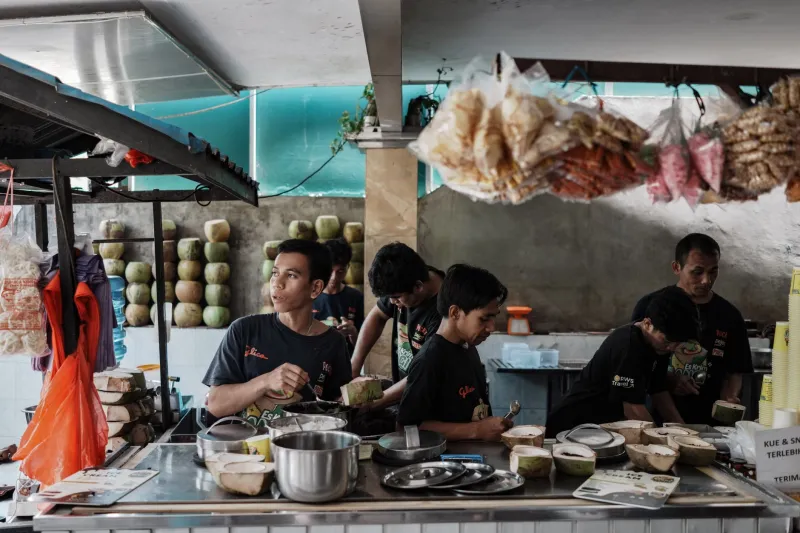
Indonesian cooks in Indonesia don't shop that way. They go to the pasar — the traditional market — and they talk to vendors and they smell things and they make decisions based on what's good right now. That's the model worth emulating, even if your pasar is a Vietnamese grocery store in a strip mall in suburban Ohio.
Building Your Own Seasonal Spice Rhythm
You don't need to memorize Indonesian harvest calendars to start shopping smarter. A few simple habits go a long way.
Buy smaller quantities of dried spices more frequently rather than large quantities less often. Label your jars with the purchase date and commit to replacing anything that's more than six months old. Build relationships with one or two specialty markets where you trust the sourcing. Pay attention to when certain fresh rhizomes show up and stock up when they do.
Flavor is perishable. The sooner you start treating it that way, the better everything you cook is going to taste.