Ground Into Oblivion: The Real Reason Your Ginger and Garlic Powder Taste Like Nothing
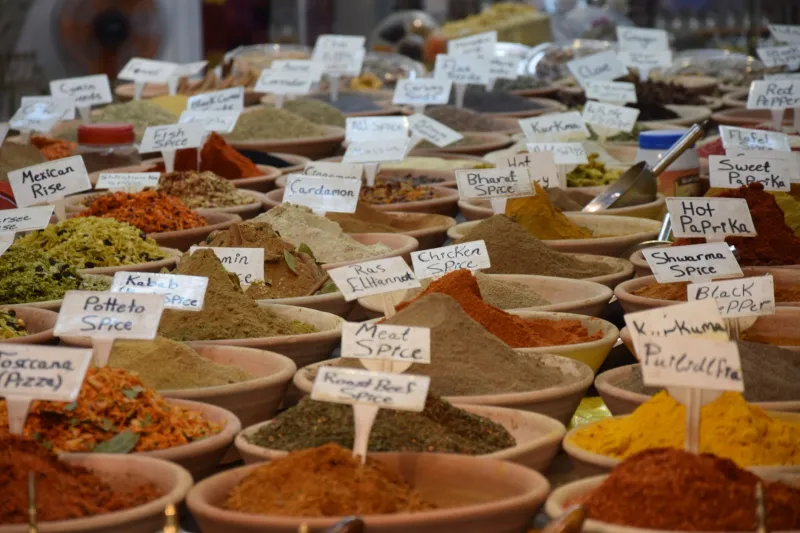
There's a quiet tragedy happening on spice shelves across America, and it starts with two ingredients that should be completely unforgettable: ginger and garlic. Walk into any grocery store from Portland to Pittsburgh and you'll find them in every form imaginable — fresh, pre-minced, freeze-dried, and powdered. They're everywhere. And somehow, in most American kitchens, they barely register as flavor.
In Indonesian cooking, that's not just a disappointment. It's a fundamental misunderstanding of what these ingredients are supposed to do.
What Indonesian Cooks Know That Spice Brands Don't Want to Admit
Ginger in Indonesian cuisine isn't a background note. It's a structural element. In dishes like soto ayam, rendang, and opor ayam, fresh or freshly dried ginger brings a sharp, almost citrusy heat that you feel in the back of your throat. Garlic isn't just savory — it's pungent, almost aggressive when raw, and it transforms into something deeply sweet and nutty when properly caramelized in a ground paste.
None of that survives the industrial powder-making process. Not really.
Here's what happens: commercial ginger and garlic powder are typically made from roots that have already been sitting in storage, then dried at high heat to speed up processing, then ground and packed into jars that might sit in a warehouse for months before reaching your shelf. Every single step in that chain bleeds out the volatile aromatic compounds — the gingerols, shogaols, and allicin — that give these ingredients their actual personality.
By the time you're shaking powder into a pan, you're essentially adding beige dust with a memory of flavor.
The Three Forms, and When Each One Actually Matters
Indonesian home cooks think about ginger and garlic in terms of what the dish needs, not just what's convenient. That's a framework worth borrowing.
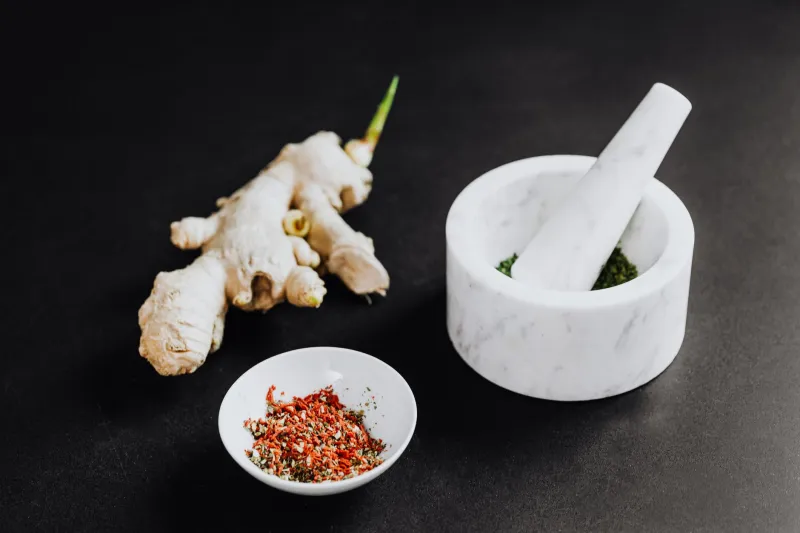
Fresh ginger and garlic are the default in most Indonesian cooking. They get peeled, sliced, and ground into a bumbu — a wet spice paste — along with shallots, chilies, galangal, and other aromatics. The grinding process (traditionally done with a stone mortar and pestle, though a blender works in a pinch) ruptures the cell walls and releases the full aromatic payload. You're getting everything the ingredient has to offer, all at once, right when it counts.
Dried whole ginger (often sold as dried ginger slices or coins at Asian grocery stores) is a different product entirely from powder. The slow, lower-temperature drying process used in traditional preparation concentrates the flavor rather than destroying it. Dried ginger slices are used in Indonesian broths and slow-cooked dishes where you want that warmth to build gradually over time. They're not interchangeable with fresh, but they're genuinely useful — and genuinely flavorful.
Powder has its place, but that place is narrow. Indonesian cooks might reach for ginger powder (bubuk jahe) in certain spice blends or when making dry rubs for grilled meats. But they're usually sourcing it from specialty Indonesian or Asian suppliers where the supply chain is shorter and the product is fresher. The stuff that's been sitting in a supermarket since last year? That's not the same product.
Why Your Supermarket Version Keeps Letting You Down
The American spice industry is built around shelf stability, not peak flavor. A jar that lasts three years on the shelf is a good product from a retail standpoint. From a culinary standpoint, it's a compromise that was made without asking the cook.
Most mass-market ginger and garlic powder also sources its raw material from whatever is cheapest at the time, which often means older stock or lower-grade roots that weren't prime for fresh sale anyway. You're starting with a second-tier ingredient and then processing it in a way that strips out what little character it had left.
Indonesian-origin ginger — particularly from Java and Sumatra — has a distinct fieriness and floral edge that sets it apart from Chinese or Peruvian varieties that dominate the commodity market. When you buy a generic supermarket powder, you almost certainly aren't getting that. You're getting a blend, or a single-origin product chosen for yield, not taste.
How to Actually Source These Ingredients Right
The good news is that American home cooks have more options than they realize, especially if they're willing to step outside the standard grocery run.
Asian and Indonesian grocery stores are your first stop. In most mid-sized American cities, there's at least one pan-Asian market that carries fresh galangal, fresh turmeric, and the kind of plump, knobby ginger that actually has fragrance when you scratch the skin. Garlic from these stores tends to be fresher too, often sourced from smaller distributors with faster turnover.
Farmers markets in areas with significant Southeast Asian communities — think the Twin Cities, the Bay Area, Houston's Bellaire district — sometimes have vendors selling fresh ginger and garlic that was harvested recently. It's worth asking.
Specialty Indonesian importers (including online retailers) carry dried ginger products that are processed more carefully and often labeled with origin information. If you're going to use powder, this is how you get one that actually tastes like something.
Storing What You Buy So It Stays Worth Using
Once you've tracked down quality ingredients, don't let them die in your cabinet.
Fresh ginger keeps well in the freezer — just toss the whole knob in a zip bag and grate it from frozen when you need it. It actually grates more easily frozen than fresh, and the flavor holds remarkably well. Fresh garlic should stay at room temperature in a dry, ventilated spot; the fridge makes it rubbery and dulls its sharpness.
If you're buying dried ginger slices or quality powder, store them in airtight glass jars away from heat and light. And actually smell them before you use them. If there's nothing there — no warmth, no sharpness, no hint of what the ingredient is supposed to be — it's time to replace it. No amount of adding extra will fix a dead spice.
Indonesian cooking is built on the assumption that your aromatics are alive. When they're not, the whole dish suffers quietly, and you end up wondering why your rendang tastes flat or your fried rice lacks that satisfying depth. The answer is usually staring at you from the spice shelf.